3:38
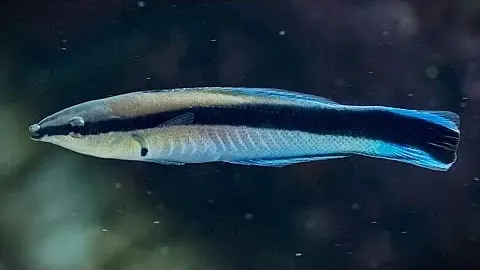



The olive sea snake is a highly venomous marine animal that inhabits the tropical Indo-Pacific. These sea snakes are the most common sea snakes in the reefs of Australia and they are especially prevalent around the Great Barrier Reef. Their venom has been described as the most toxic of all sea snakes and they are a bit more aggressive than the average sea snake. Sea snakes are part of the same family as cobras. Sea snake fangs are sharp, long, thin, and hollow. The venom of olive sea snakes contains neurotoxins, along with enzymes that break down prey internally to aid
digestion. The snakes spend their entire existence at sea, never leaving the water. They are found in shallow coastal waters, especially around coral reefs and rocky reefs, usually from the surface to 82 feet (25 meters) deep. Like all reptiles, olive sea snakes must breathe air. They must come up to the surface to gulp air and can hold their breath for up to two hours, though they generally surface every 10 to 20 minutes. They have a paddle-like tail and a single lung that extends along their body. Males are typically olive-brown to yellow in color with a white or cream-colored underside.
Females tend to be more of a steel blue in color. Olive sea snakes can grow up to 6.5 feet (around 2 meters) long, with females growing longer than males. They hunt day and night, primarily for fish, fish eggs, and crustaceans such as shrimp and crabs. They typically search for prey near the seafloor, investigating cracks and crevices for food. When not on the prowl, they hide in cracks in the reef. Female olive sea snakes are thought to reach sexual maturity at 4-5 years and may live to an estimated age of 15 years. Females bear live young, typically 1
to 5 large offspring per litter. Sea snakes have poor vision. Olive sea snakes, primarily males, have been known to attack human divers when searching for a mate because it is surmised that they mistake the diver's flippers for a competing male or a female they wish to mate with. Divers that flee from snakes may inadvertently mimic the responses of female snakes to courtship, encouraging males to give chase. To prevent the escalation of any encounters, it is suggested that divers should keep still and avoid retaliation. Symptoms from a bite usually appear within minutes
and may include dizziness, migraines, muscle pain, and paralysis. Without immediate medical treatment, survival after symptoms start is low, with complete respiratory failure occurring if the venom takes hold of the lungs. For more marine facts, click the SUBSCRIBE button!