21:30



will you live longer if you eat less protein can you actually reverse aging high protein diet grams of protein driven additional protein not getting enough protein too much protein isn't good for you in 1945 the bloodiest battle of the Pacific took place in Okinawa Japan a third of the population died and due to widespread destruction which included the Food Supplies a huge number of civilians were left starving and struggled to get enough calories after the war without much else to eat many okinawans relied on their resilient stable crop for calories sweet potatoes 60 years later Okinawa became famous for having the longest average lifespan in 2019 a BBC article came out saying that
a high carb diet may explain why they live so long the article was based on a 2016 study that said various experiments found a low protein high carb diet to make lab animals live longer and the okinawans probably live so long because like the lab animals diet the Okinawan traditional diet allegedly had 10 times the carbohydrate of protein with only one percent of the calories coming from meat or fish and then there's one food where it's about 70 percent purple sweet potatoes however as someone who's been to Okinawa this sounds wrong here's the thing they deduce the composition of the Okinawan diet based on a data point from 1949. this was only four years after the war left okinawans
with barely anything to eat except for sweet potatoes so where does this less protein more longevity idea come from Harvard scientist David Sinclair has spent the last 20 years working to defy aging mtor Little M capital T or in 2004 researchers found that less activation of this growth regulator called mtor increased lifespan in a specific type of worm eventually several studies in the lab suggested that less activation of mtor makes animals live longer so what activates mtor protein so the idea is that you want to eat less protein so you activate mtorless and you live longer if you have high levels of amino acids it will activate this mtor pathway and you don't want that but does this idea even pan
out any humans should we lean towards eating less protein also what did the okinawans really eat Okinawa diet they're eating mostly plants with a little bit of meat and not a lot of red meat when it comes to the Okinawan centenarians it's very doubtful that their diet throughout their life was devoid of meat and revolved around sweet potatoes except maybe for the few years right after the war when they were still struggling to get enough to eat as the Okinawan prefectual website says Okinawan food begins and ends with pork go to any Okinawan restaurant and it will be filled with pork dishes including things like pig ears and pig feet historically Okinawa had a massive pork population reaching 110 000 pigs
that is one Pig for every six people before World War II the devastation of the war decimated the pig population cutting it down almost 90 percent to just 14 000. in fact there's a famous Memorial in Okinawa called the pigs came across the sea which commemorates a generous gift from Hawaii of 550 pigs to help rebuild the pig population in Okinawa kids do school reports on this event and there is even an Okinawan musical about the pigs that saved Okinawa just 14 years after the war the Okinawan Pig population surpassed its previous High reaching 142 000 in 1960. in fact in 2005 Okinawa went from being the number one longest lived prefecture in Japan to number 26. since Japan is overall very
long lived this isn't too bad but Okinawa and Dr nobuyuki Watanabe claims that the secret to okinawan's Health in the past was their prioritizing of pork a great source of animal protein and they ate all parts of the pig with some dishes even including Pig blood he says the issue nowadays is that okinawans have shifted their diet to include more carbs and less protein so even if lowering mtor is good for longevity what are you going to eat all kinds of things activate into or those sweet potatoes would activate amtor because carbohydrates in fact activate mtor it's well known that mtor is activated by insulin which is secreted when you eat carbohydrate leucine is one of the amino acids Dr David Sinclair
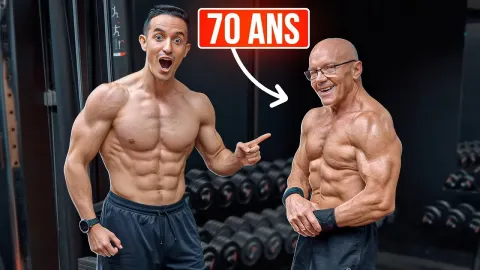
says will activate mtor but according to this paper insulin activates mtor as much as leucine M12 responds to certain amino acids that are found in more abundance in meat just like testosterone and growth hormone you will get immediate health benefits you'll feel great you'll get more muscle energy but I think it's at the expense of long-term Health and Longevity so David Sinclair's argument seems to be that certain things may make you healthy and strong now but those things may somehow lead to reduced longevity later on I guess longevity athlete Brian Johnson doesn't subscribe to this because he takes a two milligram testosterone patch six times a week also Singaporean model chuando tan who became
famous for looking like a 25 year old at age 51 happens to eat a high protein diet so why would protein give us immediate benefits to muscle and energy levels but decrease our long-term Health and Longevity the thing about protein and Longevity is that one of the greatest health issues for the elderly is that they suffer from muscle wasting called sarcopenia muscle loss can begin as early as in your 30s and this could make you weaker as you age a 2022 meta-analysis including 57 different studies found that muscle wasting was associated with a significantly higher risk of death Frailty is a fast track to crumbling Health there are two ways you can induce muscle protein synthesis to build up or
maintain your muscles doing resistance exercise and eating protein this 2021 meta-analysis found that even in people not exercising the more protein people ate the more muscle mass they had again both protein and exercise stimulate mtor which stimulates muscle growth it's well known that having more muscle mass generally makes people live longer this paper establishes muscle mass as an independent predictor of survival a key amino acid for stimulating mtor and muscle growth is leucine Dr Lane Norton who did his PhD dissertation on the critical role of leucine building muscle explains that it's much easier to get ample leucine from animal proteins compared to plant proteins plant sources
of protein tend to be lower in branched amino acids they tend to be lower in essential amino acids and tend to be lower and loose Kimura wrote in his 1988 book meat and health that Okinawan people eat a ton of protein he was doing a survey of 100 year old okinawans and said that the hundred-year-old okinawans were eating three times more pork than the tohoka region where Dr Kimura is from matsuzaki shinsuke pointed out in his 1992 book that is kind of weird to focus on just the longevity of Okinawa since all of Japan is quite long-lived he specifically points out that the reason that the Japanese came to live so long was because their diet slowly Incorporated more and more animal
protein as they recovered after the war reaching 13 times the amount they ate before the war he says a low protein diet is a recipe for an early death he points out that if you compare the longest live prefecture in Japan to the shortest live you'll see that the longest lived ate much more protein further he says that the reason the okinawans live so long is their valuing of pork which bumped up their animal protein intake up to 90 grams a day compared to Japan's overall average of just 70 to 80 grams per day again the thing about this idea that we should reduce mtor activation is that tons of things activate mtor exercise is well known to stimulate mtor and the increase in muscle size and strength that we
experience from resistance exercise is due to mtor activation exercise is super good for health Robert Butler of the National Institute on Aging said that if exercise could be packaged in a pill it would be the single most widely prescribed and beneficial medicine in the nation exercise reduces the risk for diabetes stroke heart disease depression Alzheimer's and so on its beneficial effects all over the body are virtually Undisputed this 2014 paper argues that many of the health benefits we experience from exercise are thanks to mtor this paper says that in specific mtor has been implicated enhancing learning and memory and inducing antidepressant effects the thing that's
so backwards about saying we need to eat less protein to live longer is that the elderly develop anabolic resistance not only are the elderly's muscles wasting but it becomes harder for them to build muscle they require more loosing protein and exercise because their muscles are resistant to the stimulating effects of these again we can't forget the importance of protein quality as discussed in my protein is not protein video animal proteins all reach the high quality protein ranking because they provide plenty of each amino acid and are easily digested whole plant proteins on the other hand generally have much lower protein quality scores because they have less of each amino acid and a worse balance and they are not digested
as well further the elderly experience a decline in stomach acid which means it's also harder for them to digest protein in general so protein quality becomes even more important for them a 1992 study out of the Tokyo Metropolitan Institute of gerontology came to the complete opposite conclusion of that 2019 BBC headline saying okinawans lived long because of carbs which again was based on that 1949 data point the 1992 study says that those that live the longest ate more protein and less carbohydrate in specific they ate much more animal protein they found 94 Japanese centenarians eat a higher proportion of animal protein to Total proteins than average looking at 422 Japanese people over a 10-year period
those that ate more eggs milk fish and meat lived longer they specifically note that people from Okinawa the longest lived prefecture at the time ate much more protein and fat and less carbohydrate than the shortest live prefecture in fact there are many so-called Blue Zone regions like Okinawa where people live quite long it's often claimed that people in the blue zones don't eat much animal protein and that's part of the reason why they live long however a 2021 study calls this entire narrative into question their data looking at 175 different populations found that more meat intake was associated with higher life expectancy in these regions so again why should we be expecting less protein specifically less high quality
protein to make us live longer one of the greatest issues facing the elderly is all the negative Health consequences associated with losing muscle mass as people get older it becomes harder to build muscle so they need more mtor activation to keep their muscle healthy they need more amino acids including the mtor activating amino acid leucine along with a higher protein intake if you want to live long you should be keeping your muscle healthy with resistance exercise this will stimulate muscle protein synthesis as well speaking of exercise I prefer not to use any particular pre-workout or caffeine before or during my workouts I just make sure to get plenty of salt and electrolytes to keep
my performance up throughout the workout that's where this video sponsor element comes in since electrolytes and sodium are a big part of hydration and maintaining energy levels in general it can really help to replace the electrolytes you lose when you're fasting doing a low carb diet or when you are sweating a lot at the gym I often find my energy and focus is generally better throughout the day if I stay hydrated with plenty of water and an element pack here and there element tastes great and there's no junk in it's just a good balance of electrolytes sodium potassium and magnesium a bit of flavoring and some Stevia there's also a raw unflavored type if you prefer if you go to drinklmnt.com what I've learned
you can get a free sampler pack with any purchase