10:50



Bloomberg Audio Studios podcasts radio news. Welcome to the Daybreak Asia podcast. I'm Doug Krishnner. A group of six major US investment firms will now partner with Nvidia on AI projects and they will bring with them a funding package worth $500 billion. Shares in Nvidia were down 2.9% in New York trading. Elsewhere among the chip makers, Intel is seeking to increase the amount it's raising in a share sale to about $20 billion. That's a third more than Intel had been targeting. Now, analysts say it could help further cushion a balance sheet already burdened with debt and substantially help fund projects for AI, including building foundry capacity without adding leverage. Intel in the regular session was down 4%. And in the foreign
exchange, the yen weakened against the dollar in New York trading and erased half the gains it made when authorities from both the US and Japan intervened in the foreign exchange to support the Japanese currency. That's where we start our conversation with David Savage. He's market strategist for the M Live blog on the Bloomberg terminal. David, joining from our studios in Hong Kong. Thank you so much for being here. Talk to me about what we're seeing with this renewed weakness in the Japanese currency. I think in New York trading we were down as much as 1%. It doesn't seem like the intervention is got kind of lasting effect here.
Yeah, that's right. I think it's it's a pretty uh remarkable remarkably quick turnaround. Uh so, you know, we saw the intervention that brought dollar yen, you know, just above 155. we've now retraced, you know, more than half of that move, you know, fairly quickly um back above 159. uh and I think that shows uh that even in the presence of you know broader dollar weakness unless you know intervention is followed up with more significant moves moreover if it's not followed up with a more hawkish stance from the BOJ you know traders are going to keep kind of dipping back into this carry trade as long as you know you have these real yield differentials. I'm glad you brought up
the central bank policy because if you look at what's happening today in the crude oil space, a lot of concern about the inflationary pressures being lasting and I'm wondering if you can accept the idea that the Fed is going to be on hold at the very least for a while longer. Is the Bank of Japan motivated now given the fact that inflation is proving to be a little bit stubborn? Are they maybe going to have to lean into this a little bit more aggressively? particularly when you consider the fact that the currency has been just so weak. I think that's right. I mean, I think what the FX markets are showing is that unless you have a more hawkish posture from the BOJ, we're going to continue to see this sort of incremental
uh currency weakness, which ultimately feeds back into uh higher bond yields and uh you know, a imported inflation. So uh you know right now the market's kind of pricing in you know one more hike uh you know more than you know one more hike uh for the bank of Japan but we're coming from a very low level. So, you know, the FX markets are absolutely, you know, flashing that, you know, at this point the Bank of Japan is behind the curve. Uh, and unless again you have a real pullback in oil prices, uh, or, you know, another round of sort of coordinated intervention, you know, dollar yen is going to keep grinding higher. What has been the reaction to the strategy that the US Treasury
Secretary Scott Bessant was involved in terms of using the foreign and international monetary authority repurchase facility as a way of facilitating uh a little bit of the intervention here where you wouldn't necessarily force Japan to be a seller of US treasuries. they could simply maybe borrow dollars and sell dollars as a way of creating a little bit of yen strength. Well, I think with dollar yen back up to 159, I think that's showing that the market is perceiving that intervention as uh you know, more of a stop gap uh and less of a permanent uh posture. Uh and so, you know, again, I think it's
really going to take a more convincing uh intervention. Uh but more likely it's going to take uh a change in posture from the Bank of Japan, which to this point uh just hasn't occurred yet. So, we have a market holiday in Japan. Really tough to gauge uh the reaction that we had in New York trading in terms of the move higher for US Treasury yields. Treasuries in the cash market will begin trading in the London session. A lot of concern about the weakness that we had in the chip stocks during New York trading. We had the Philadelphia semiconductor index down by about 2.9%. And we're seeing a little bit of weakness right now in some of the big chip players in South Korea. Samsung SKH down about 1% each. What's the feeling
in terms of the trade right now for the South Korean equity market? Is it all about following the lead of chip stocks or is there something more a foot? [snorts] I think it's two-part. I think it's one, yes, absolutely. We see that if you have some positive yield uh leads from US chip makers, uh that tends to bode well for um not just Korea, but Taiwan and Japan as well. But I think in particular for Korea, you know, they were sort of at the vanguard of this, you know, really uh, you know, fierce equity momentum, you know, leveraged um, you know, surge higher. And in July that really unwound, uh, quite violently. And so the Cosby even now is still, you know, over 30% off of its highs from late June. Uh and so I think there's there's a sort
of a particular market structure component in Korea where you've had the this you know real influence of leveraged ETFs there. Um and on the good note there is we've really seen the volumes and flows you know really come out of those uh products and uh actually we've seen actually you know small caps in Korea start to outperform uh as sort of retail flows you know move elsewhere. But I think that also points um to you know the potential that it can take time for you know an equity momentum to come back into these stocks. So when you look at the South Korean market and you look at the charts the technical analysis I mean is it continuing to point to kind of a bearish mood here? Could there be further downside?
I think it the charts aren't pretty. And I think what it also shows is you know what you see is volumes really across the board are uh you know essentially half of what they were um a month ago. So really I think a lot of the hype has kind of come out of that trade. Uh and you know so on one hand I think that probably means that sort of the worst of the sort of leveraged washout has probably passed. Um but you know I think now we're left thinking you know what is the catalyst that is going to sort of reignite uh you know interest and flows you know because any you know sign of strength we see both retail and even foreign funds continue to sell into that strength. Uh so that continues to weigh on it but uh on the
fundamental side of course valuations still look really attractive. So I think the concern right now is you know is there sort of a fundamental um you know risk out there that markets aren't yet aware of um to because the market is so tied to the memory trade in particular you know Samsung and SKH highix are basically half of the Cosby so you know I think that's a lingering risk particularly after we had a month of a lot of uh developments on the AI side so speaking of memory I mean, there's a big company in China, CXMT, that's been very much in the forefront of China's appetite for memory chips. What do we glean from the activity that CXMT has been uh able to attract uh particularly with the IPO now and a
lot of conversation around uh maybe moves beyond just the memory space in terms of overall semiconductor production? Yeah, I think the biggest risk is that I think the market sort of extrapolating from that development that you know if you know we see innovation for instance you know on the intelligence side we had with Kimmy K3 um or you know in you know the hardware space you know extrapolating forward well okay is that going to are we going to see further innovations and is that going to completely undermine sort of industry economics right because you know history is replete with examples of you know Chinese manufacturing prowess and investment you know really wreaking havoc on industry economics in different sectors.
I think uh at this stage uh you know I think most analysts seem to believe that we're still a very far way out from uh a scenario where the scarcity particularly in memory but in other parts uh of the AI supply chain is completely solved. Uh but I think for now I think you know the bulls are less willing to pay up uh you know a higher valuation while those concerns sort of linger out there. Okay, David, good stuff. We'll leave it there. Thank you so very much. David Savage there, market strategist for the markets live blog on the Bloomberg terminal. David joining from our studios in Hong Kong. Coming up on the Daybreak
Asia podcast, we'll be hearing from Grace Tam, deputy Asia CIO at BNP Parabah Wealth Management. Welcome back to the Daybreak Asia podcast. I'm Doug Krer. Anthropic has struck a deal with Riot platforms worth more than $9 billion. Riot is a Bitcoin mining company that recently began selling AI data center capacity and we are told this deal has the potential to translate into as much as $16.1 billion in total sales for Riot. It seems to underscore Anthropic's effort to secure enough compute to meet customer demand for its claim model. For more on the AI buildout, we heard from Grace Tam, deputy Asia CIO at BNP Paraba
Wealth Management. Grace spoke with Bloomberg TV host Sherion and Heidi Strad Watts on the Asia trade. Grace, all of these AI deals, whether it's around Nvidia, whether it's around using Wall Street giants for private capital, anthropic as well. Um, does this give you any pause when it comes to the potential circularity of all of these companies investing in each other? Uh, that could lead to more market volatility that could lead to risks ahead. Yeah, I think yeah that could lead to some uh kind of market volatility but at the same time we still see a lot of very good uh opportunities uh from the AI uh theme uh especially for the like recent uh earnings results uh for example for
the hyperskllers I think before the results a lot of concerns about the hyperskllers uh capex and whether uh they can achieve the uh ROI but at the end of the day uh especially when we look at like Microsoft and also Amazon uh their revenue growth actually outpace their capex growth which is a very good sign uh for the hyperscalers and also uh for um for as the uh a lot of the hyperscalers they continue to increase the capex right that's actually benefits uh I mean a lot of the AI upstream buildout peex and shuffles stocks when it comes to really increasing the capex alphabet didn't necessarily do very Well, after reactors reacted negatively because of the disappearing free cash flow. So when it comes to
investing opportunities, would you still go to these hyperscalers or to some as you said the pigs and shovels and where are they? Yeah, I think uh we have to be selective uh in terms of the hyperscalers. Uh some of them are really good and of course some of them uh are not. uh and also uh for some of the like uh picks and shuffles I think we also have to be selective and uh going forward um as uh we mentioned earlier uh volatilities will stay high but at the same time we still see uh the trend uh of the AI uh continue when you say being selective are you talking more about regions and different ecosystems or are you talking about
individual stocks and are there any regions and countries that potentially uh provide more upside given that some uh markets have already seen that huge runup like South Korea, Taiwan for example. Yeah, I think uh in terms of regions uh of course like uh US um the North Asia um the uh China uh Korea and then also Taiwan uh they have um they still have very good potentials and uh especially after the uh AI watch out in July uh a lot of the uh leveraging uh positions is already unwind. Uh so uh we think actually um uh especially uh we think um the corrections the very deep corrections in July is more about um the crowded and leverage uh positioning rather than uh any major
changes in terms of the fundamentals. Uh the fundamentals as we can see from the earnings results are actually continue to be very good and um and earnings very strong and that leads to valuations. valuations actually still when we look at the PE because I mean earnings going up prices also go ups in line and valuations actually remains very reasonable. Grace before we let you go of course we do have eco data again uh coming to the forefront especially with the US CPI numbers it could be key when it comes to the cross asset trade later this week.
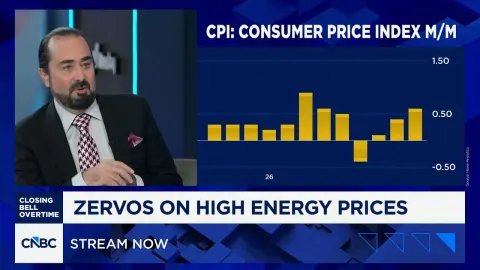
What numbers are you expecting and what impact will it have on the Fed because we are now positioning for potentially more tightening given of course higher oil prices as well? Yeah. Um I think for market consensus for the uh upcoming uh headlined US CPI uh is like a month-on-month uh 0.1% uh increase and that's actually a rebound from the uh minus uh 0.4% uh last month. Um so uh basically market expect uh some kind of uh pickup in terms of the uh CPI but if it turn outs to be like less than that or higher than that of course that will um I mean affect uh especially the market expectations of the future uh
rate uh path um so uh we have to see yeah and we'll really have to gauge that one right given that we did have software US jobs data. Grace Tam, good to have you with us. Deputy Asia CIO at BMP Parabah Wealth Management. Thanks for listening to today's episode of the Bloomberg Daybreak Asia Edition podcast. Each weekday, we look at the stories shaping markets, finance, and geopolitics in the Asia-Pacific. You can find us on Apple, Spotify, the Bloomberg Podcast YouTube channel, or anywhere else you listen. Join us again tomorrow for insight on the market moves from Hong Kong to Singapore and Australia. I'm Doug Krer and this is Bloomberg.